There is a moment after someone dies that nobody prepares you for.
Not the hospital room.
Not the funeral.
Not the condolences.
Not even the silence that follows.
The moment nobody talks about is the disbelief.
You stand beside their hospital bed after they have taken their final breath. You look at them. You know what everyone is saying is true. The doctors have confirmed it. Family members are crying. The room feels heavy with sorrow.
Yet somewhere inside you, a voice quietly whispers:
No.
Not denial in the dramatic sense. Just refusal. A part of your mind simply cannot process what it is seeing.
You attend the funeral dressed in black. You watch people embrace each other through tears. You hear prayers. You see grief etched into every face around you.
And still, it doesn’t sink in.
You wait for the moment when reality will finally crash into your chest.
But it never comes.
At least not then.
So you begin to wonder if something is wrong with you.
Why am I not crying?
Why does everyone else seem broken while I feel frozen?
Why can’t I understand what everyone else already knows?
Maybe I’m heartless.
Maybe I’m numb.
Maybe I’m dead inside.
The guilt arrives before the grief does.
You question your love for them because your sadness doesn’t look the way you imagined it would. You think mourning should be loud. It should be obvious. It should leave you unable to stand.
Instead, you feel suspended between two realities.
One where they are gone.
And another where your mind continues to expect them to walk through the door.
You still think about calling them.
You still catch yourself wanting to tell them something.
You still expect their name to appear on your phone.
Because deep down, your heart has not received the message your eyes already have.
The truth is, grief is not always immediate.
Sometimes the mind protects itself from pain by slowing reality down into pieces small enough to survive.
Sometimes acceptance arrives months later while reaching for the phone.
Sometimes it comes when you see a photo and suddenly realize there will never be another one.
And sometimes it comes for no reason at all, on an ordinary Tuesday afternoon, when the world keeps moving as if nothing happened.
That is when the truth finally lands.
They are gone.
Not away.
Not busy.
Not coming back tomorrow.
Gone.
And when that realization finally arrives, it can hurt far more than the funeral ever did.
If you have not cried yet, it does not mean you did not love them.
If it has not sunk in yet, it does not mean you are cold.
If your grief looks different from everyone else’s, it does not mean something is wrong with you.
Sometimes goodbye is too large for the human mind to understand all at once.
Sometimes the heart needs time to catch up with reality.
And sometimes the deepest grief begins with a simple, disbelieving thought:
“This can’t be real.”
Until one day, long after everyone else has gone home, you finally understand that it is.
And that is when you say goodbye.
Category: Uncategorized
-

The Space Between Knowing and Believing
-
Dear diary
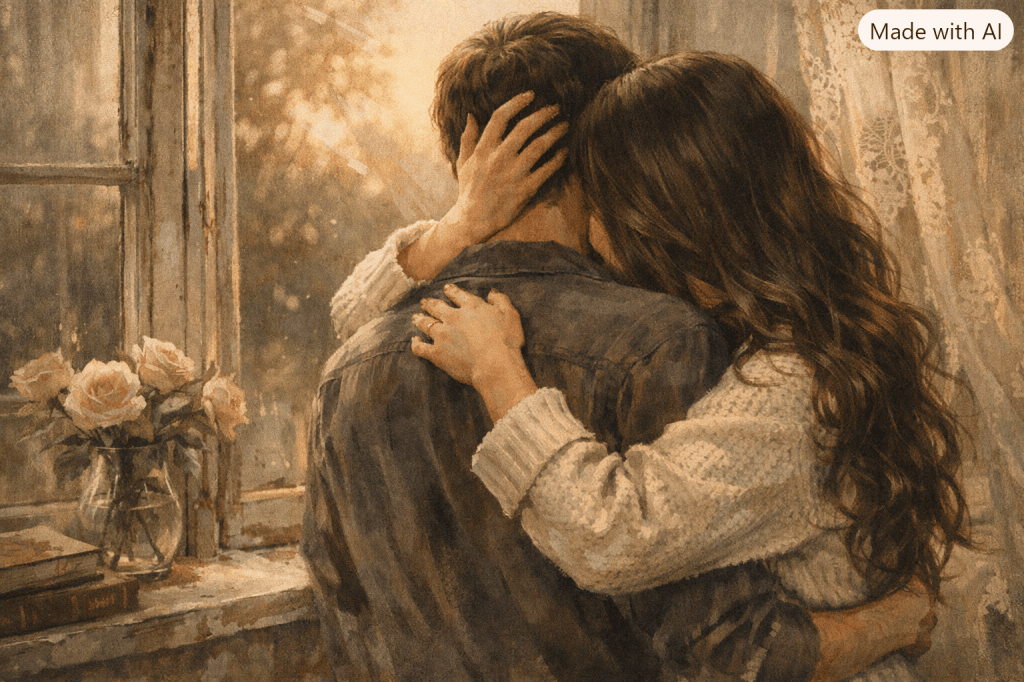
I spent the evening thinking about what it would feel like to see you again. Not the first meeting. Not the beginning. Something quieter. Something heavier. A return.
I tried to imagine the moment our eyes meet again. I wondered if I would still feel that familiar pull. The one that used to make me forget everything around me. I think it would come back instantly. Some feelings do not fade. They only wait.
I pictured myself standing close to you. Close enough to touch your face the way I used to. Close enough to study your eyes without rushing. I wonder if I would manage to stay steady or if the old nervousness would rise again. The kind that comes when something matters more than it should.
There is a softness in the idea of returning to you. A quiet takeover that once settled in my heart and never really left. It was never loud. It was never dramatic. It simply filled every space and stayed there.
Your eyes are the first thing I think of. I imagine them in front of me again. Familiar yet overwhelming. I remember how much I loved looking into them long before distance separated us. That memory still carries a sweetness that hurts a little. A longing that survived the silence.
Sometimes I imagine kissing your eyes again. Not out of romance. Out of gratitude. As if thanking them for the way they once made me feel alive. As if thanking them for the way they still return to me in thought even after all this time.
I think I am still marked by you. As if something in me was shaped by your presence and never reshaped after you left. There is no cure for it and I do not want one. The longing always knew where it belonged. It knew its way back to you even after the distance.
Writing this feels like opening a door I’m trying to keep closed. Maybe seeing you again would not be dramatic. Maybe it would be a small miracle. A quiet moment where everything I once felt stands in front of me again, familiar and close enough to touch.
-
I’ve Lied
Some days ago, someone asked me what songs I’ve been listening to lately.
I don’t know why I didn’t tell the truth.
Maybe I wanted to seem like I’d moved on.
Maybe I wanted to look stronger than I felt.
Maybe I didn’t want anyone to hear the softness I still carry.So I said something casual, something light, something that didn’t matter.
But the truth stayed quiet inside me.Because the songs I’ve actually been listening to aren’t the kind you share when you’re trying to look healed. They’re the kind you keep to yourself, the ones that touch the parts of you you pretend are gone.
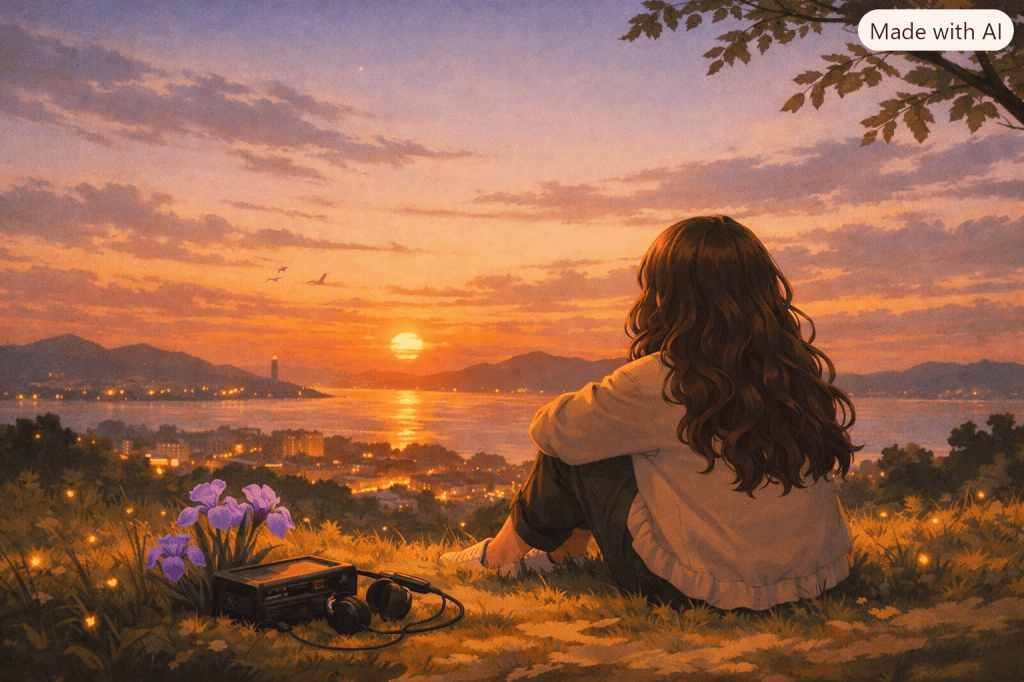
Iris by the Goo Goo Dolls.
I guess i’m in love by Clinton Kane.
Please notice by Christian Leave.
A Drop in the Ocean by Ron Pope.
Follow Me by Uncle Kracker.
Someone to You by BANNERS.They’re not all masterpieces.
They’re not all impressive.
But each one has a line, a moment, a feeling that reached me in a way I didn’t want to admit.Maybe that’s why I didn’t say them out loud.
Because these songs reveal a version of me I’ve been trying to tuck away, the girl who still feels deeply, who still remembers, who still hopes, who still aches a little. The girl who isn’t as “strong” as she pretends to be.But strength isn’t always loud.
Sometimes it’s just honesty.
And tonight, this is mine.These are the songs.
This is the truth.
And maybe that’s enough. -
A Heart That Counts the Days
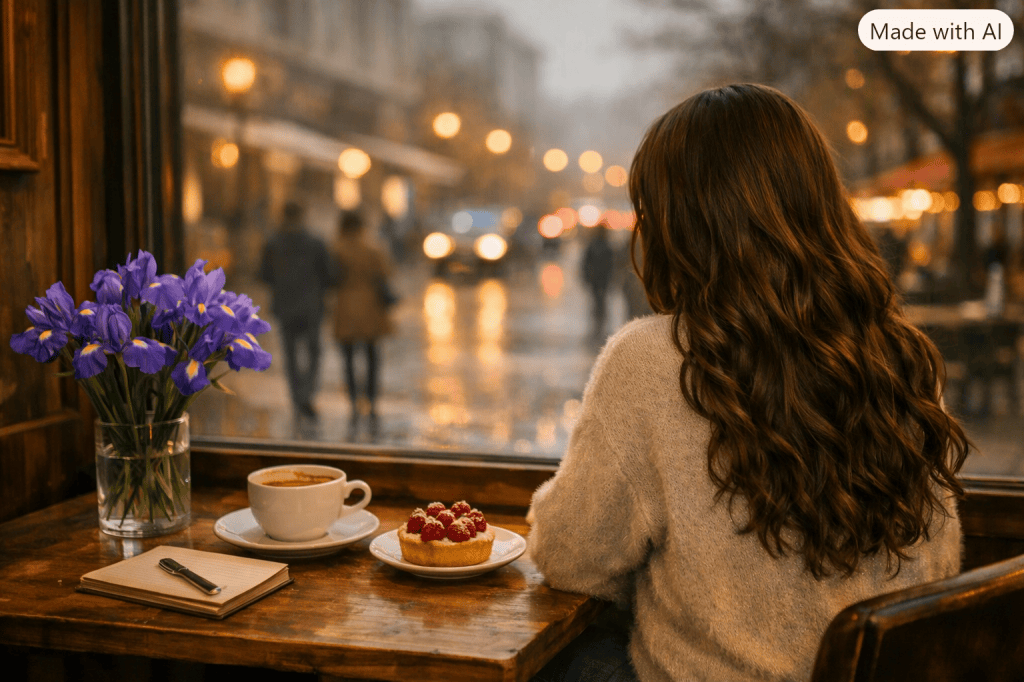
Some distances are measured in kilometers, but others are measured in longing. There are seasons in life when waiting becomes its own quiet ritual, a calendar marked not by events but by the hope of seeing someone whose presence feels like a small miracle.
There is a particular kind of ache that comes from loving someone you rarely see. You start counting days the way children count down to holidays, except your celebration might last only a few minutes. You rehearse the moment in your mind, imagining the warmth of their voice and the way the world softens when they are near. When the moment finally arrives, it slips through your fingers too quickly, leaving you with a memory you hold onto like a lifeline.
What makes it harder is knowing that somewhere out there, people cross paths with them every day. They see them in ordinary moments, morning routines, casual conversations, passing glances. They grow accustomed to what you consider extraordinary. They forget the privilege of being close. You, on the other hand, never do.
If you had the chance to see them daily, you know you would not grow used to them. Their presence would never become background noise. Your heart would still react as if it were the first time, a quiet flutter, a gentle rush, a reminder that some people enter your life not to blend in but to illuminate it.
So you keep waiting. You hold onto the memory of your last meeting, and you dream of the next. You whisper small prayers into the spaces between your days, asking life to be kind enough to bring them closer. Not someday, but soon.
Some hearts do not simply miss.
They hope.
They endure.
They believe. -
The Place I Still Carry With Me
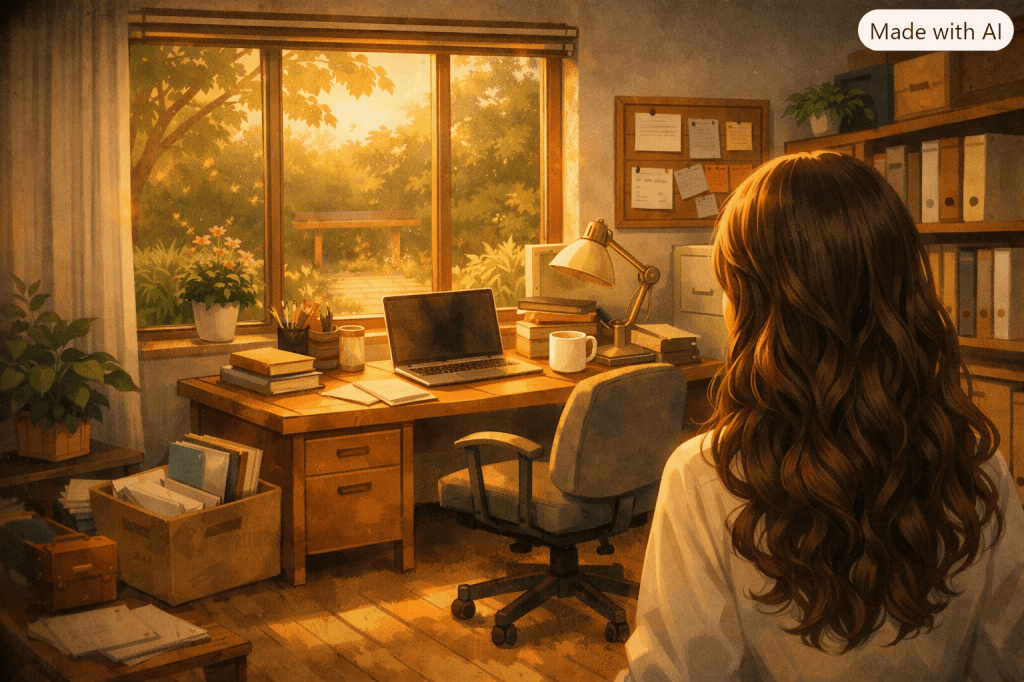
There was a time when work felt like a small dream I was quietly living. I was moved to a new job with the promise of a better position, and the place I arrived to looked forgotten by the world. Dust on every surface, furniture left in strange corners, bugs claiming the silence. Somehow, I didn’t mind. I cleaned everything, brought in new supplies, arranged the space until it felt alive again. It became a real workplace because I made it one. It was peaceful. It was mine. I used to walk in every morning with a soft kind of hope, the kind that makes you feel like you are building something good.
For a while, I worked alone, and it was a comforting kind of solitude. My tiny office had a view of a small garden, and the quiet felt like a friend. I believed I was finally stepping into a gentle chapter of my life. Then everything shifted. My boss moved on to a higher position, and the new one who replaced him didn’t see me the same way. The promise I had been holding onto disappeared. My work was brushed aside. The effort I had poured into that place suddenly meant nothing.
New colleagues arrived, and for a while, it felt like stepping into a dream. I wasn’t alone anymore. The days were lighter, filled with laughter and shared coffee breaks. I saw the world through soft pink lenses and believed people were kind. One of them became my closest friend, someone I trusted, someone who made the long hours feel shorter. But time has a way of showing what words can hide. Slowly, reality unfolded. One by one, their masks slipped. Some turned out to be unkind. Some turned out to be cruel. Some simply didn’t care. And that friend who once felt like family drifted away too, leaving behind a silence heavier than anger. The hardest part wasn’t their behavior. It was realizing that what I had built, the warmth and the belonging, no longer belonged to me.
Leaving broke my heart. Staying broke it too. Every time I pass by that building now, something tightens in my chest. It feels like someone is pressing the air out of my lungs. I loved that place. I loved the quiet. I loved the hope that lived inside me back then. I loved the feeling that I was creating something bright.
But I had to walk away.
Now I am in a new job with another promise of another position, and I no longer believe promises. The days are hectic. The work never stops. I drink too much coffee just to keep up, and my hands shake more than they should. Sometimes I get dizzy. Sometimes I wonder how long a person can run before they fall. But this is the life I have now.
Still, a small part of me wonders. What if the old boss never left. What if the colleagues never came. What if the quiet stayed quiet. I think I would have been happy. I think that little office with its tiny garden would have kept me safe.
I miss that place. I miss the calm. I miss the short drive from home. I miss the version of myself who believed she was building something beautiful. Some places stay with us even after we leave them. They sit quietly inside us, like a soft ache that never fully fades.
-
Tutti Fruity
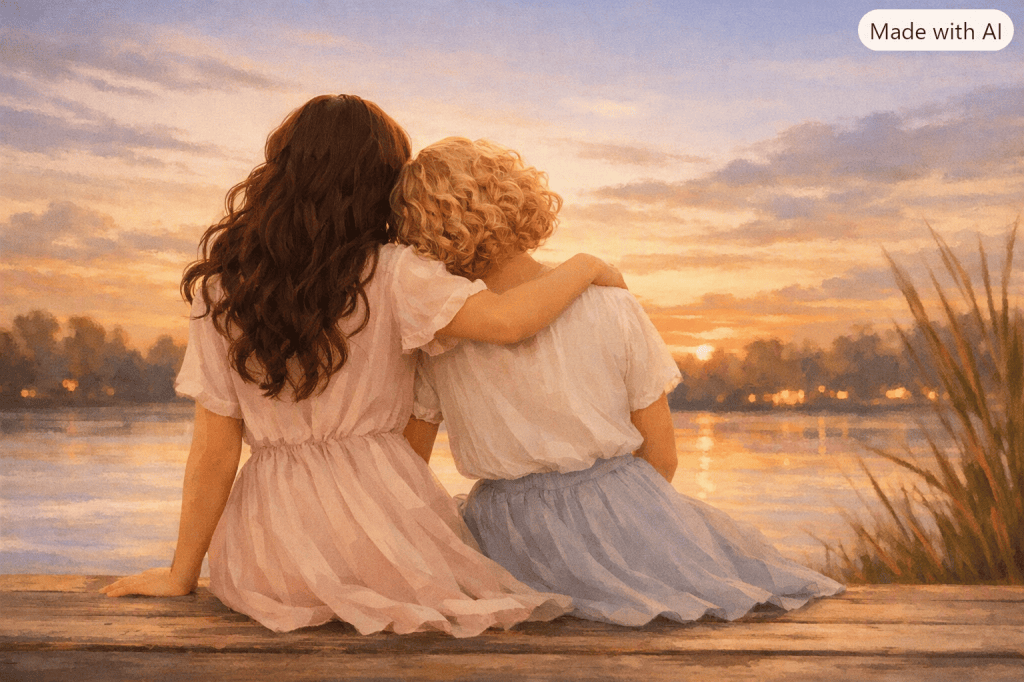
A best friend is the person who makes life feel lighter just by being around. Not because they’re perfect or always wise, but because you can be your real self with them. A best friend is the one who sees you in every mood and still thinks you’re great. They know your silly moments, your serious moments, your tired days, your excited days. And they stay. It’s not about perfection. It’s about presence.
With a best friend, you never feel like you have to act a certain way. You don’t choose your words carefully like you’re talking to a boss. You don’t pretend to be calm when you’re actually stressed. You just talk. You share your thoughts, your dreams, your fears, your hopes, your disappointments, your happy moments, your sad moments, your successes, your burdens. And they share theirs too. It’s honest. It’s simple. It’s real. No pretending. No hiding. No acting like someone you’re not.
The best part is when you find a best friend who thinks like you. Someone who understands your way of seeing the world. Someone who reacts the same way you do. Someone who makes you say, I think we have the same brain. Sometimes you don’t even need to talk. You just sit together quietly, and somehow you still understand each other. It feels like a secret language that only the two of you know.
Life gets busy. Families grow. Responsibilities take over. Days pass faster than you expect. And sometimes you don’t see each other as often as you want. But with a true best friend, it never matters. The moment you meet again, it feels like yesterday. The comfort is still there. The connection is still strong. It’s like your friendship has a built‑in reset button that always works.
We don’t have to be exactly the same to be perfect together. We don’t share the same music taste. We don’t love all the same foods, although we do have a few favorites in common. We don’t match in every detail. But somehow, we fit. Nineteen years of friendship, almost twenty, and I still find myself appreciating her more every day. I love her. I value her. And honestly, she deserves a trophy for surviving me for this long.
Friendship like this is a gift. A safe place. A warm place. A place where you can be fully yourself and know you are loved for it. And that is something worth celebrating.
-
Colors
There are people who move through life without ever seeing colors. Not in the literal sense, but in the quiet emotional way that makes everything feel pale. Days pass without texture. Moments feel thin. You learn to live inside a world that never surprises you. You convince yourself that this is what life is supposed to feel like. You do not know what you are missing, so you do not know how to long for anything different.
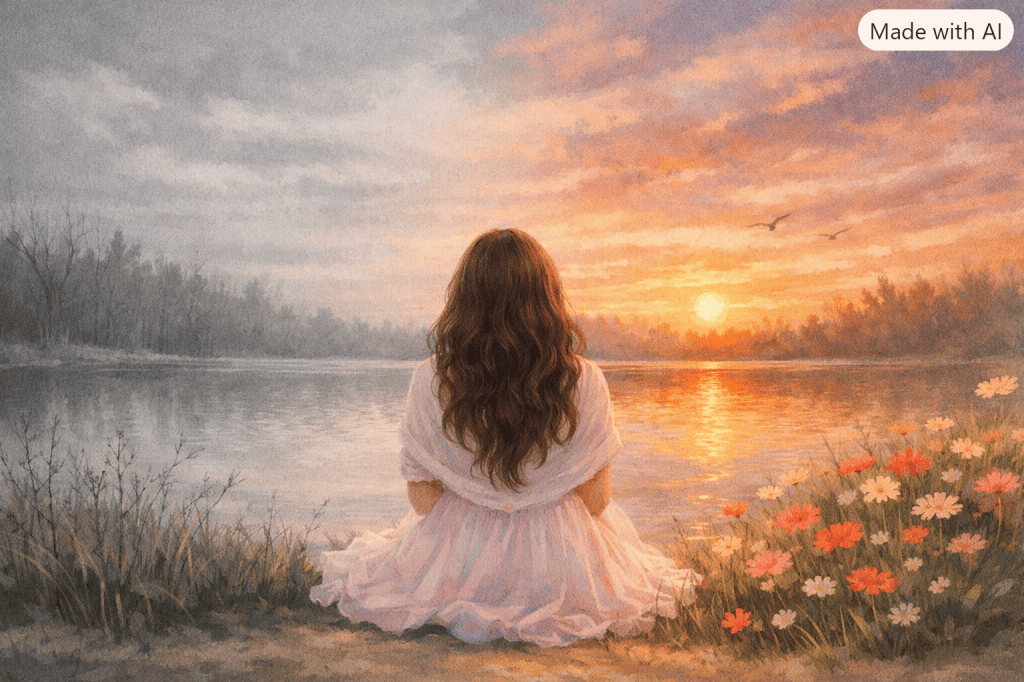
Then someone arrives and everything shifts. They do not just show you colors. They show you the kind of beauty that makes your chest feel warm. Suddenly the world feels alive. You notice the way sunlight rests on their face. You hear softness in their voice that makes ordinary words feel like something precious. You feel colors in the way they laugh, in the way they look at you, in the way they make you feel seen. Life becomes bright in a way you never imagined. You start to understand what it means to feel awake.
But colors do not stay when the person who brought them into your life walks away. When they leave, everything fades. You return to the old world of muted tones, but it is not the same as before. It hurts now. It aches. It feels unbearable because you know what colors look like. You know how beautiful life can be. You know what it feels like to have your heart open instead of guarded. You try to go back to the way things were, but you cannot unknow what you have seen.
So you carry the memory of colors inside you. You carry the softness they brought. You carry the ache of losing it. Maybe one day colors will return in a different form. Maybe they will come from someone new or from a part of yourself you have not discovered yet. But for now, you live with the quiet truth that you once saw beauty, and you once felt alive, and you once knew what it meant to see the world in color.
-
A New Word I Learned Today: Takotsubo Cardiomyopathy
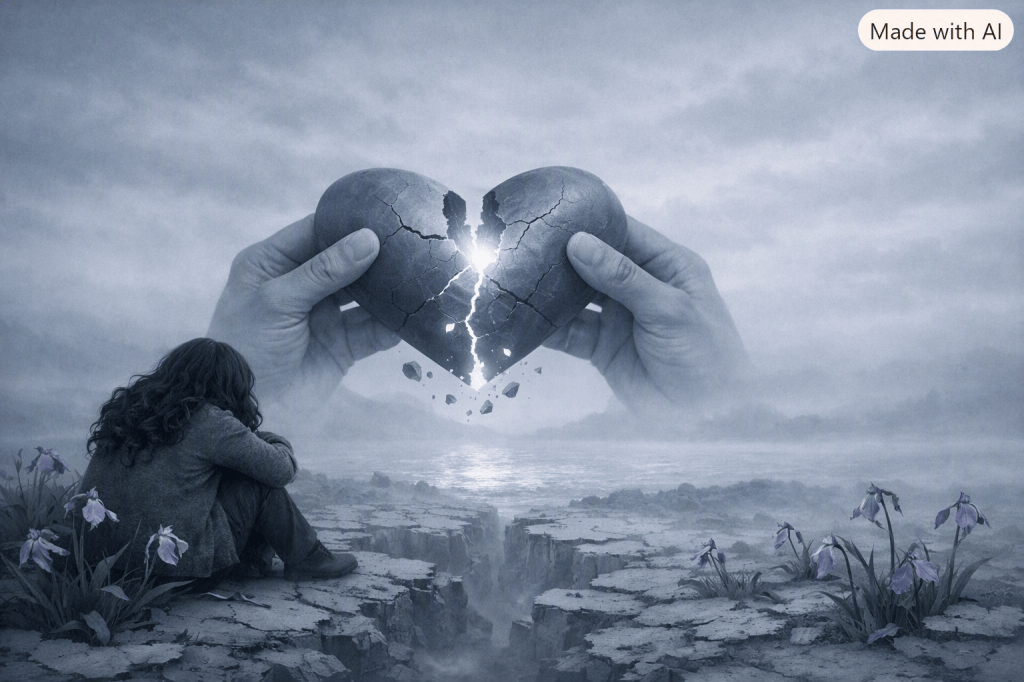
Takotsubo cardiomyopathy is a medical term for something heartbreakingly simple. It happens when emotional shock becomes so unbearable that the heart physically breaks. Doctors call it stress‑induced cardiomyopathy. People call it dying of a broken heart. The heart weakens, its shape changes, and grief stops being just a feeling. It becomes a wound, a collapse, a quiet surrender.
Heartbreak can kill. Not metaphorically, not poetically, but literally. Human emotions are heavier than bone. They press on the ribs, slow the breath, and change the way a person moves through life. Some heartbreaks don’t stop the body, but they extinguish the light inside it. They leave people walking around like shadows of who they used to be alive, but not really living.
I once heard two stories that never left me. A pair of grandparents who had lived one long, shared life, when one died in the hospital, the other followed the next day, no illness, no warning, just a heart that refused to beat alone. And a woman who waited years for a baby, only to wake from anesthesia to learn her child had died. Her heart shattered instantly, and she died right after. Some losses are too heavy for the body to bear.
Takotsubo cardiomyopathy taught me that heartbreak is not just emotion, but force. It crushes, reshapes, and leaves people changed forever. Some hearts break and never recover. Some keep beating anyway. But in both cases, the pain is real, the loss is real, and the human heart, fragile and brave, carries more than anyone ever sees.
-
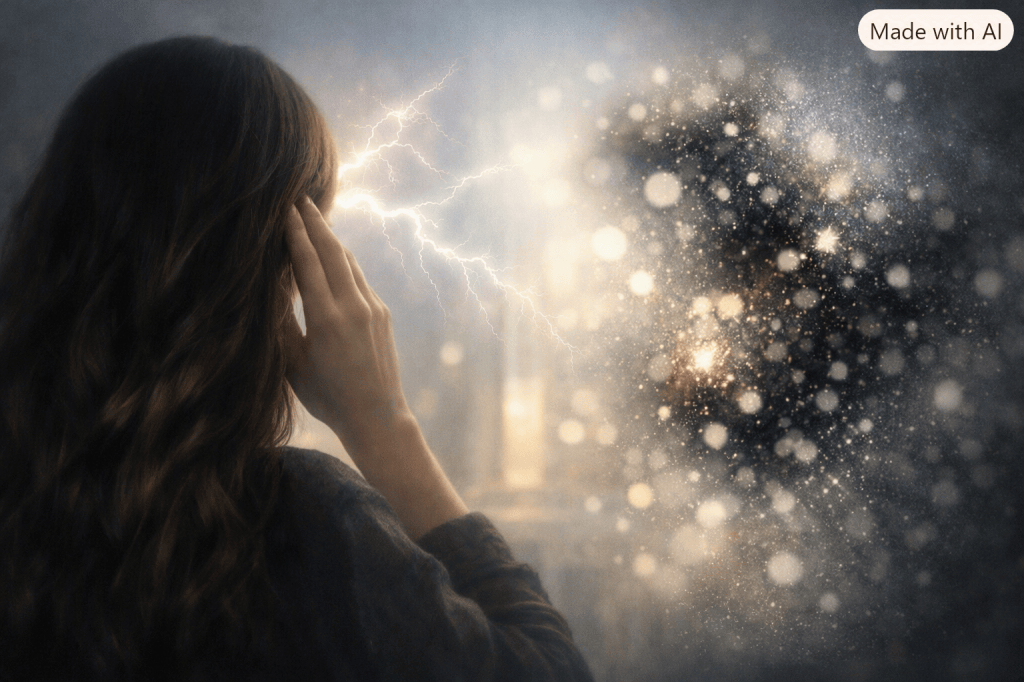
Migraine: A Quiet Storm Inside the head
Migraines are more than headaches. They are neurological storms that move through the body in ways that feel unreal. Some people get warnings. Some get nothing at all until the world begins to flicker. There are migraines that come with pain and migraines that come with aura, which can change vision for a short time.
Living with them means learning to recognize the storm even when it arrives without a sound.
My first migraine was the most frightening moment of my life. I had no idea what was happening. I was going through a normal day when flashes of lightning appeared at the edge of my eye. Then black and white spots showed up. They grew and moved until they covered everything.
Within half an hour I was losing my vision. Then it disappeared completely.
There was no headache. No pain. Only darkness.
I thought I was going blind. I remember the panic. The way I tried to blink my sight back into place. Nothing changed. I was on the way to the hospital, terrified, trying to understand how vision could vanish so suddenly.
Slowly, my sight returned. First shapes. Then shadows. Then the world again. The doctors ran tests and told me it was a migraine. I could not believe that something so terrifying had such a simple name.
Many years have passed since that first attack. It still comes and goes two or three times a year. It is not complete blindness anymore. I lose part of my vision. Sometimes the right side. Sometimes the left.
It begins the same way. Lightning at the corner of my eye. Black and white spots. A slow fade of the world.
Lately there is pain with it. A headache that arrives after the vision loss. A pressure behind the eyes. A heaviness that makes everything feel slower.
Living with migraines means accepting that they can appear without warning. One moment everything is normal. The next moment the world is flickering.
I am writing this because I had no idea what was happening the first time. It was terrifying. I want people to know that sudden vision loss can be part of a migraine. I want them to know that it can pass. That sight can return. That the body can recover.
If someone ever sees lightning at the edge of their eye or spots that grow and swallow their vision, I want them to remember this. I want them to know that they are not alone. I want them to know that it might be a migraine and that the fear they feel is something many people have lived through.
Sometimes knowing the name of something makes it less frightening.
-
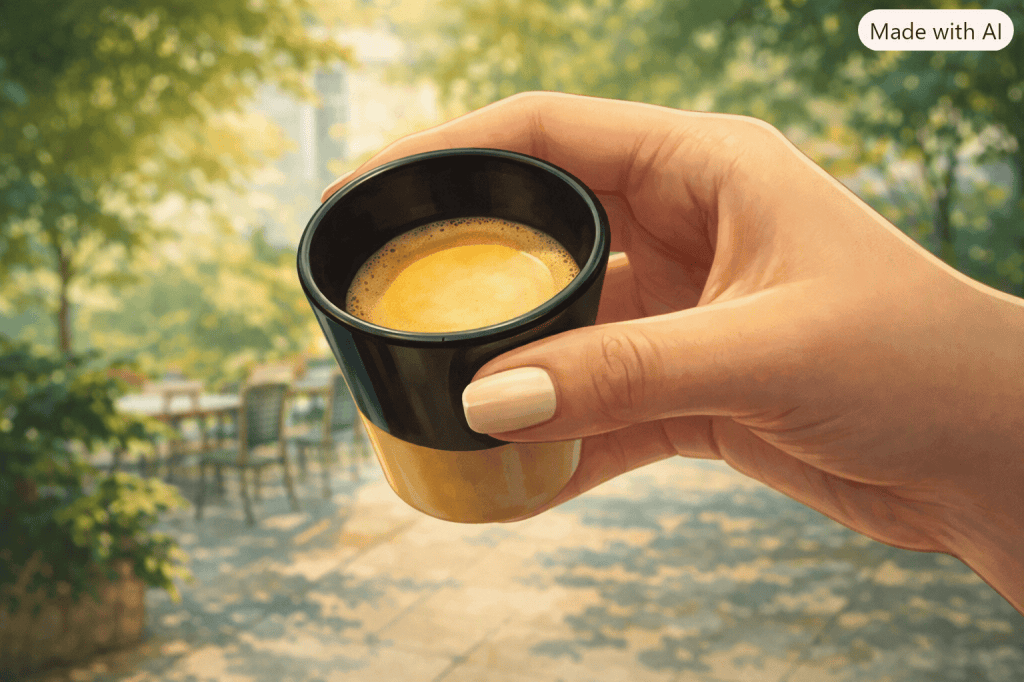
Tiny Breaks, Big Magic
Some days we try to act like unstoppable productivity champions, but our brains know the truth. They get tired, they wander off, they start thinking about snacks at very suspicious times. That is exactly why tiny breaks exist. They are the little treats that keep us from turning into overcooked noodles.
A ten minute espresso break with a tiny piece of chocolate feels like a secret getaway. The espresso wakes you up, the chocolate cheers you on, and your brain suddenly stops pretending it is on strike. It is basically a mini celebration disguised as a coffee moment.
A five minute chat with a friend works wonders too. You talk about something completely random, laugh at something mildly ridiculous, and somehow your entire mood resets. Even doodling counts. You draw a flower that looks confused or a cat that looks judgmental, and your brain instantly feels lighter. It is like giving your thoughts a tiny playground.
Power naps are another magical trick. You close your eyes for ten minutes and wake up feeling like you just returned from a luxurious vacation. Your brain loves these tiny pauses. They help it relax, reorganize, and get ready for whatever comes next.
We are not machines. We need breaks. We need silly moments. We need chocolate. These tiny pauses help us stay human and keep going without melting halfway through the day.
