
Category: Uncategorized

  • Sharing is caring

    Sharing is caring

    Kids aren’t born knowing how to share it’s something they grow into slowly, like learning how to trust the world. In the beginning, everything feels precious to them: every toy, every crayon, every tiny treasure they hold in their hands. Sharing doesn’t come naturally at first, and that’s okay. With time, with patience, with gentle examples from the people around them, they begin to understand that giving a little piece of what they love doesn’t take anything away from them. It simply opens a small door to connection.

    Sharing is one of the quiet ways we show love. It isn’t only about toys or food or things we can hold. We share emotions when we sit with someone’s sadness. We share ideas when we talk about our dreams. We share burdens when life feels heavy, and we share joy when something beautiful happens. Sharing is caring because it says: I want you to feel what I feel. I want you to be part of my world. It’s a soft, human gesture that ties people together.

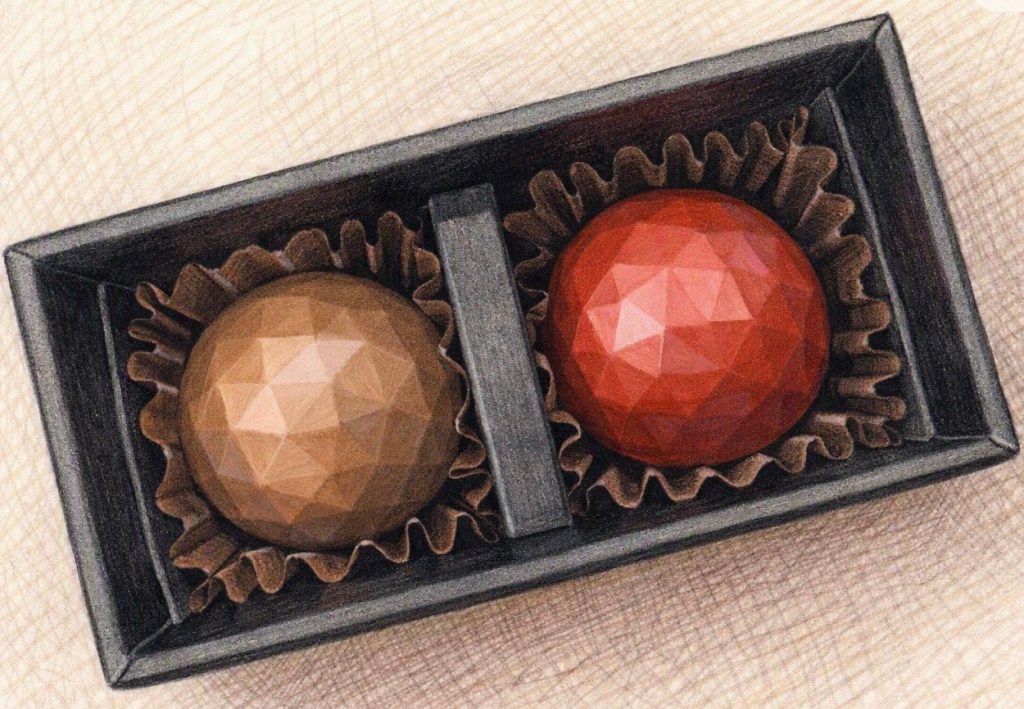
    And in our society, this shows up in the sweetest everyday rituals. When a woman goes to a party and receives the usual giveaway chocolates, she doesn’t always eat them right away. She keeps them, tucked gently in her bag, saving them for home. Later, she breaks them into tiny bites to share with her loved ones while she talks about the event, the fun moments, the laughter, the latest gossip. And somehow, sharing that small piece of chocolate during these conversations strengthens the bond. It’s silly, almost too simple, yet it connects people. That tiny bite becomes a warm bridge between her night out and the people she comes home to, turning a sweet treat into a shared moment of closeness.
  • Shameme = same same

    Shameme = same same

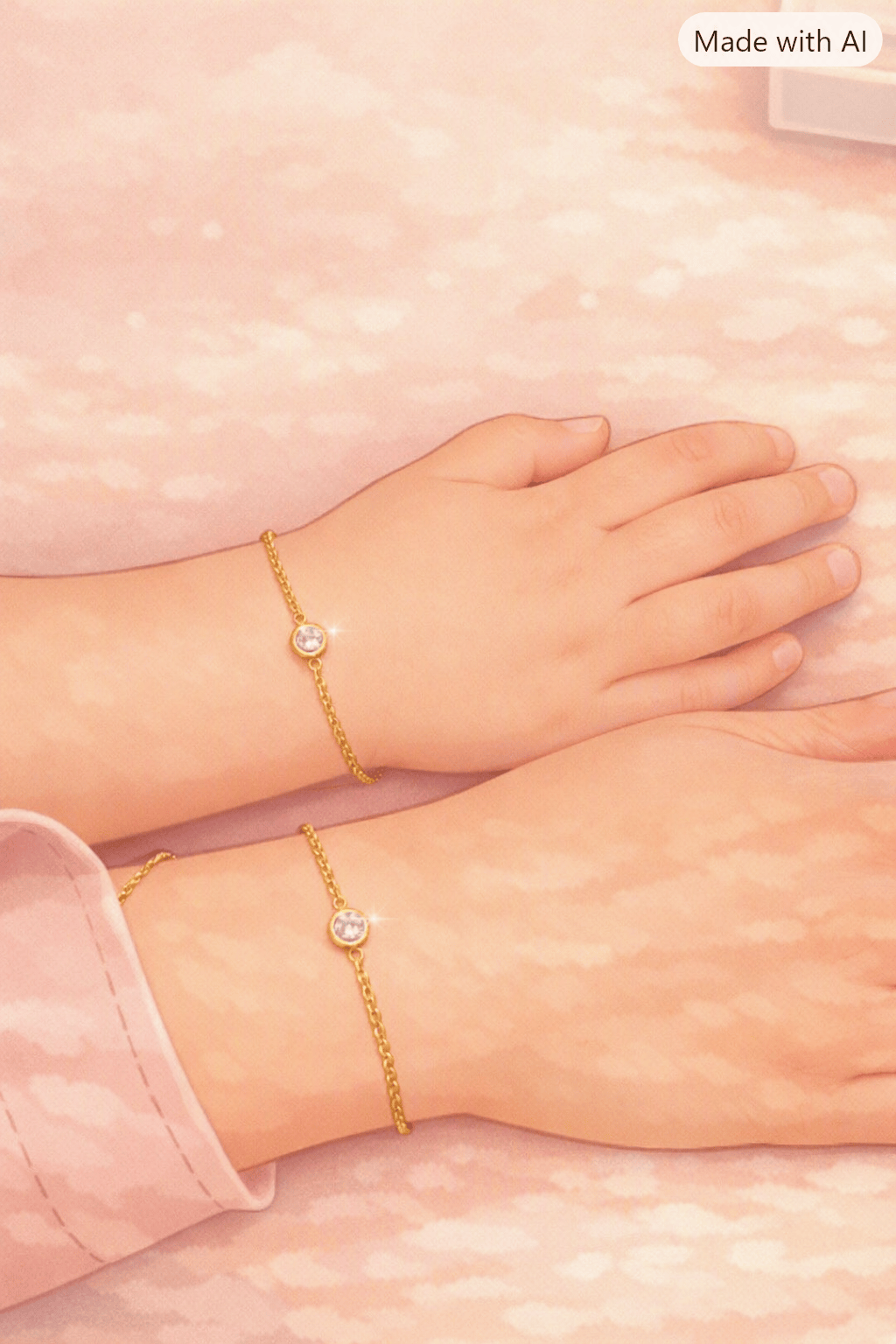
    Matching items have a quiet charm. Whether it’s bracelets, socks, shirts, or tiny charms hidden and some drawer, they turn ordinary objects into symbols of connection. People choose to match because it feels like creating a small shared world, a gentle “us” that exists inside the bigger, louder one. Matching is never really about the item, it’s about the meaning stitched into it. It’s a soft ritual of belonging, a way of saying we’re linked, even in the simplest ways.

    Matching makes people feel seen, chosen, and held close. There’s comfort in knowing someone wants to mirror you, even in something small. It creates emotional closeness, strengthens bonds, and turns moments into memories. Psychologists call it a form of mirroring a natural human behavior that builds trust and warmth. When two people match, they’re not just sharing an object, they’re sharing a feeling, a tiny spark of joy that says you and I are connected in this moment.

    My niece reminds me of this magic every time she looks at our matching bracelets. Her whole face lights up, and she taps on her wrist and mine with her little voice saying, “shameme” meaning same same. It’s her way of claiming the bond, of celebrating that we belong together. In that moment, the bracelet becomes more than jewelry it becomes a shared heartbeat, a tiny thread tying us side by side. Her joy is the purest proof that matching isn’t about style, it’s about love made visible.

  • Pickles

    Pickles

    I hate pickles. I hate how they smell, the texture the taste, they are disgusting and they destroy any food they are in. I just don’t like pickles not even a little. There’s something about them that barges into every dish, uninvited and impossible to ignore. They hide in burgers, sneak into sandwiches, float in salads, and somehow appear in meals that have no business being in them. And every time, they take over the whole flavor, drowning the balance I actually wanted. It feels like pickles are everywhere, waiting to ruin a perfectly good bite with their awful personality, and honestly… I’m tired of fighting them off.

    But unfortunately, I’m stuck with pickles whether I like it or not. They’re everywhere, and at some point I realized I had two choices: keep fighting them forever or learn to compromise. So I started picking around them, pushing them aside, trying to make peace with their existence. And slowly, I realized that when life insists on giving you pickles, you might as well search for the tiniest thing you can tolerate about them and live with it. Somehow and I still don’t fully understand how I think I’m starting to like pickled onions. They’re gentler, sweeter, less aggressive, almost polite compared to the usual offenders. Maybe I just needed to lower my expectations and accept that pickles are pickles; they will never be coffee, and I should stop expecting them to be coffee. So here I am, calling a truce in my long war with pickles a small, surprising step toward accepting that maybe not all of them are out to ruin my meals.

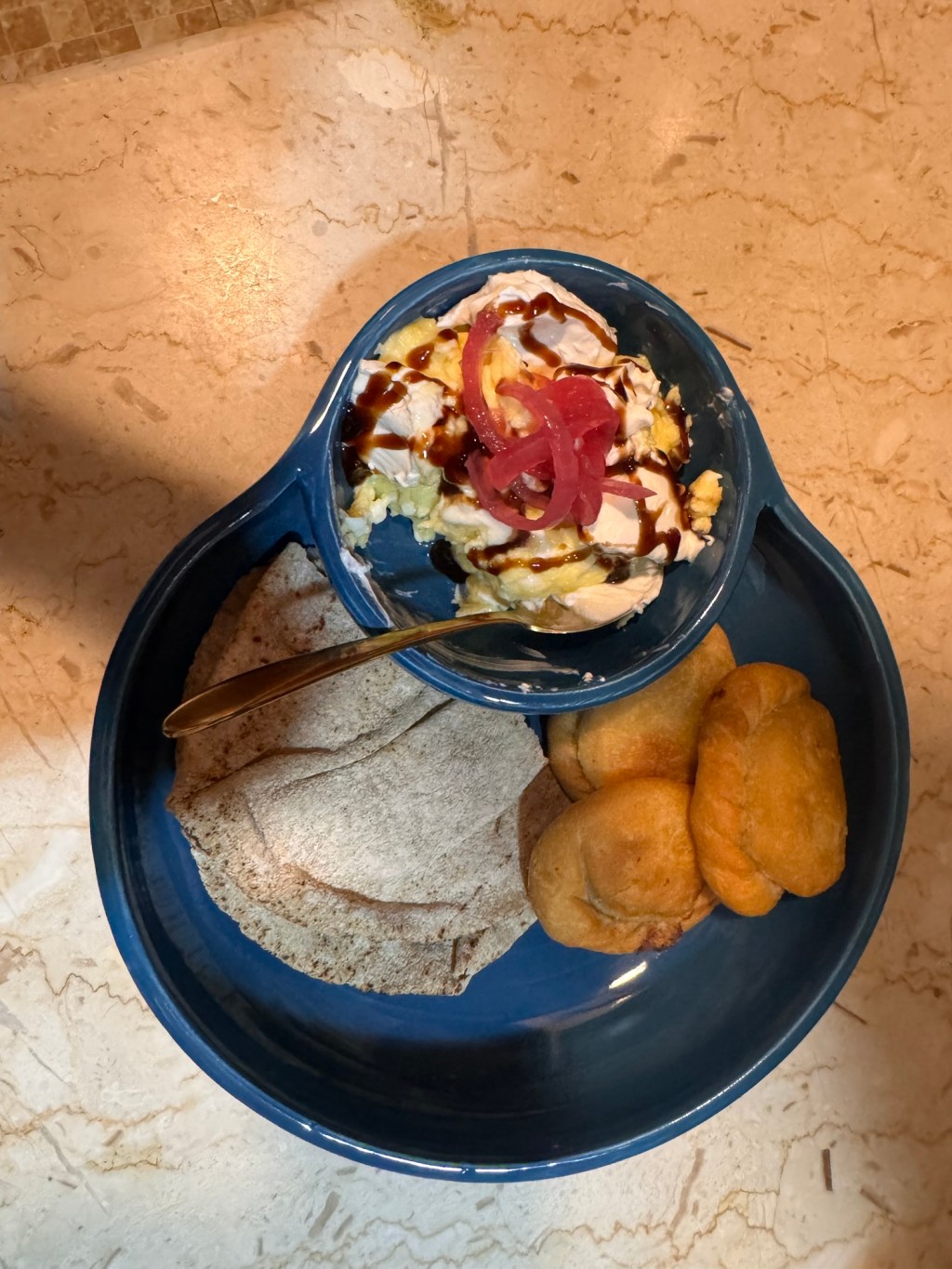
    Last week, I somehow found myself putting pickled onions on almost every meal I had everything except breakfast. I used them with rice, tucked them into sandwiches, paired them with Mexican food, Lebanese food, literally anything that crossed my plate. Breakfast was the only safe zone. But then, over the weekend, I had this wild idea: what if I added them to my usual scrambled eggs with labna and a drizzle of balsamic vinegar? So I tried it… and it was surprisingly yummy. Maybe giving pickles a chance isn’t the worst idea. People do change, after all. Maybe there’s hope. And since I can’t have coffee all the time anymore, I guess pickled onions will have to do for now, at least until the future decides to surprise me again.

    Ps: the photo contains three pieces of leftover reheated sambosa from one of my favorite restaurants