Author: lost A

  • The People You Don’t Forget

    The People You Don’t Forget

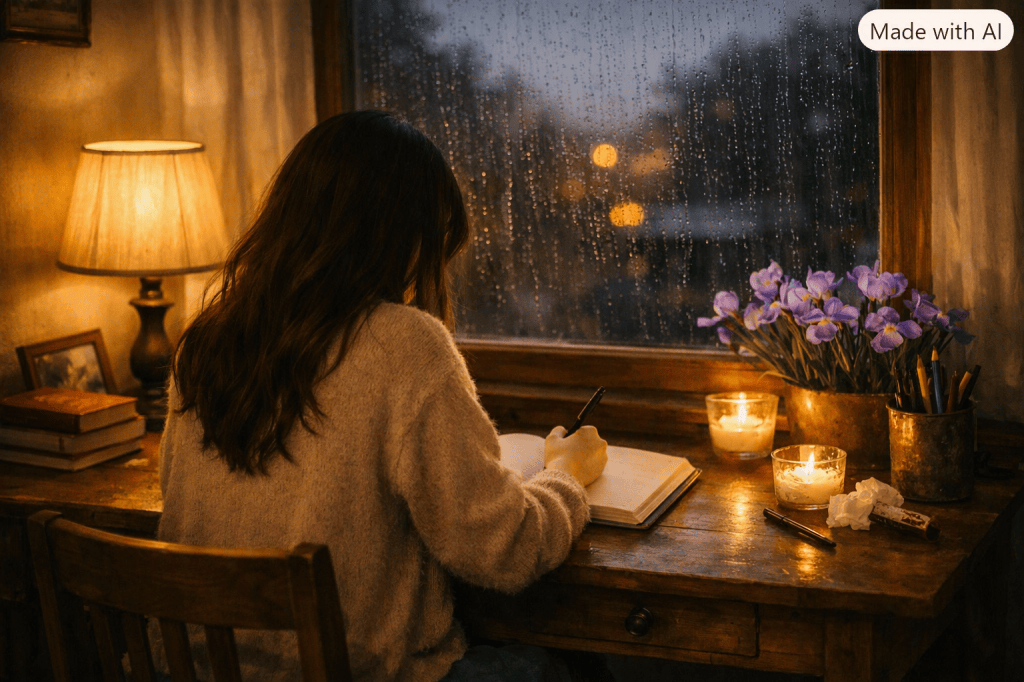
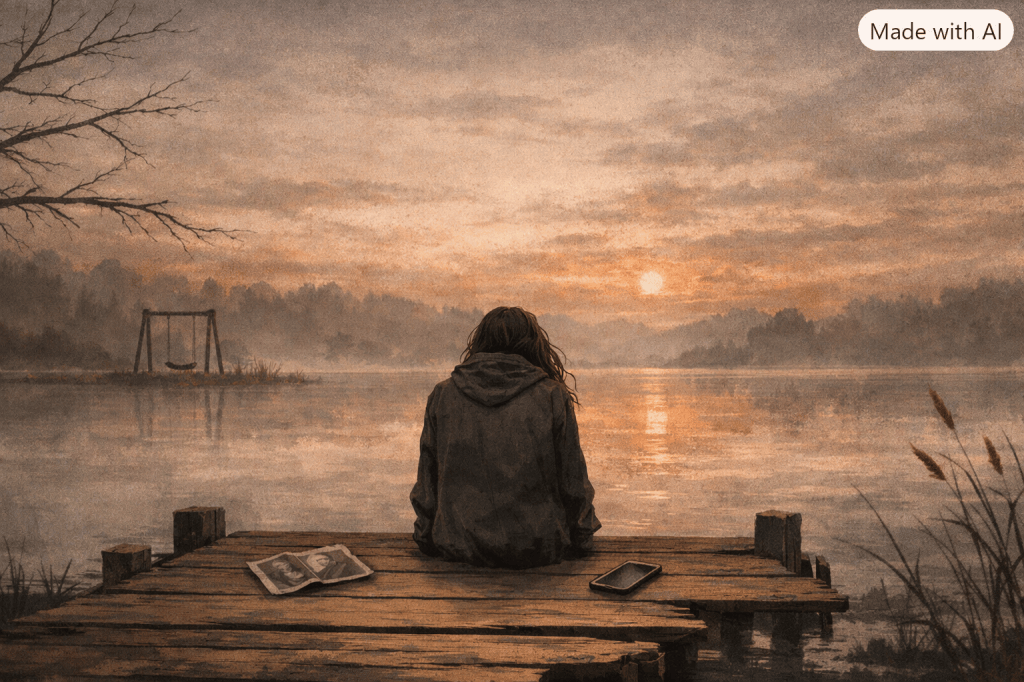
    Tonight I’m thinking about the people life forces you to remember. Not because you want to, but because forgetting them would mean forgetting the parts of yourself that broke… and the parts that survived.

    I keep circling back to this truth: you never forget the ones who helped you. The ones who noticed the crack in your voice before you even admitted something was wrong. The ones who sat with you in silence because they didn’t know what to say, but they refused to leave. Their kindness wasn’t loud. It wasn’t dramatic. It was steady. And steady feels like a miracle when everything else is falling apart.

    And then there are the ones who left. God, that still stings. I didn’t expect their absence to hurt the way it did. It wasn’t just that they weren’t there, it was the realization that they could have been. They chose not to be. I think that’s what I’m still grieving: the choice. The quiet decision to step away when I needed someone to stay. I don’t know if I’ll ever fully make peace with that.

    But the hardest ones to write about, even here, even privately, are the ones who put you in difficult times. The ones who caused the mess you had to clean up. The ones who broke things inside you that you didn’t know were fragile. They taught me lessons I never asked for. They forced me to grow in ways I didn’t want to. And even now, even after healing, their shadows still show up in certain memories, certain fears, certain boundaries I didn’t used to have.

    It’s strange how all three types stay with you.

    The helpers soften you.
    The abandoners sharpen you.
    The ones who hurt you harden you, but they also teach you how to protect yourself.

    I guess that’s why I’m writing this tonight. Because remembering them feels like remembering the map of how I became who I am. Every person carved something into me, a wound, a warning, a strength.

    And maybe I don’t want to forget any of it.
    Maybe this is how I learn who deserves to stay in my life… and who only belonged to the chapter that nearly broke me.

  • The pomegranate seeds

    The pomegranate seeds

    In Greek mythology the story begins long before the pomegranate.

    Persephone was the daughter of Demeter, the goddess who made the earth bloom and fed humanity through her power over harvest and growth. One day, while Persephone was gathering flowers in a sunlit meadow, the ground split open beneath her feet. From that crack rose Hades, the god of the underworld. He seized her and carried her into the shadows below. Her cry echoed across the world, but no one reached her in time.

    Demeter searched for her daughter with burning torches. She wandered the earth in grief so deep that crops refused to grow. Famine spread. The world dimmed. Even the gods felt the consequences of her sorrow.

    Zeus finally intervened and sent Hermes to retrieve Persephone. Hades agreed to let her go, but before she left, he offered her a pomegranate. A small, gleaming fruit. A gesture that looked gentle and almost tender.

    But the underworld has rules. Anyone who tastes its food becomes bound to it.

    Persephone ate the seeds, and her fate was sealed.

    The Persephone myth begins with a moment that feels almost innocent, a pomegranate offered in the stillness of the underworld.
    Not a grand act of violence, not a thunderous shift in fate, but a small, deliberate gesture that sealed her life with a sweetness she never asked for.
    A bite that tasted harmless, yet carried the quiet cruelty of a future she could never outrun.

    Her tragedy isn’t only in being taken, it’s in being claimed.
    Bound by a fruit she didn’t understand, tied to a darkness she never chose.
    She gets her brief seasons of sunlight, yes, but they are borrowed. Temporary.
    Every bloom she touches already knows she will leave it behind.
    Every warm day is a countdown.
    Every return to her mother is shadowed by the knowledge that she will be pulled back underground, back to Hades, back to the life that waits for her like a sentence.

    And I think about how many people live like that.

    Not in myth.
    In marriages.

    Some people eat their own version of the pomegranate without realizing it.
    A promise made in a moment of fear.
    A compromise that felt small but carried teeth.
    A decision made because silence was easier than truth.

    And suddenly, they’re tied to a life that feels colder every year.
    A house where the air never warms.
    A partner who becomes a weight instead of a refuge.

    They get moments of escape, a night with friends, a quiet walk alone, a fleeting reminder of who they once were.
    But like Persephone, they can’t stay in the world that feels like theirs.
    There is always something dragging them back: duty, guilt, culture, the fear of being judged, the fear of being alone, the fear of breaking everything just to save themselves.

    It doesn’t always look dramatic from the outside.
    Sometimes it’s just a slow dimming, a person fading in plain sight.

    People imagine the underworld as a place of torment, but myths rarely shout.
    Hades wasn’t monstrous.
    He was steady.
    Predictable.
    A presence that didn’t change and that’s its own kind of prison.

    Some marriages feel like that.
    Not violent, not catastrophic, just… heavy.
    A life that is easier to endure than to escape.
    A routine that becomes a quiet suffocation disguised as stability.

    You learn to navigate the shadows.
    You learn to keep your voice low.
    You learn to carry your own torch the way Demeter did, searching for pieces of yourself in places where you never should have had to look.

    Persephone’s tragedy isn’t that she lives in the underworld.
    It’s that she lives between worlds.

    Never fully alive in the light.
    Never fully dead in the dark.
    Never entirely herself anywhere.

    And that’s the quiet heartbreak of being stuck in a marriage you cannot leave:
    you become a seasonal version of yourself.
    A person who blooms only in stolen moments.
    A person who learns to ration their hope.

    You get glimpses of who you could be, but you can’t stay long enough to become her.

    Persephone didn’t stay the maiden forever.
    She became a queen.

    Not because she wanted the underworld, but because she learned to claim power inside a life she didn’t choose.

    And maybe that’s the part of the story that matters for anyone who feels bound by their own pomegranate seeds:
    you may not be able to leave yet,
    you may not be able to rewrite everything,
    but you can still reclaim pieces of yourself.

    You can still rise in the places that tried to bury you.

    You can still become something stronger than the fate you were handed.
  • I Didn’t Handle It, I Just Drowned Quietly

    I Didn’t Handle It, I Just Drowned Quietly

    I was told that I handled it so well. People adore the illusion of resilience, it makes them feel better about not noticing the collapse happening right in front of them.

    But let’s be honest.

    I didn’t handle it.
    I didn’t rise above anything. I didn’t “stay strong.” I didn’t “push through.” I went under. Slowly. Quietly. The kind of drowning where you’re still answering messages and showing up to things, so everyone assumes you’re fine.

    I lost my spark, not in a poetic, candle‑flicker way, but in the way a light bulb dies: one sharp pop, then darkness. And I didn’t ask for help, because asking requires believing someone might actually care enough to stay. I didn’t have that kind of faith.

    So I did the usual performance:
    Suffered in silence.
    Shattered where no one could see.
    Wore a smile that lied better than I ever could.

    People saw the smile.
    They congratulated the smile.
    They never wondered why it looked like it hurt.

    They say I handled it well, but what they really mean is:
    “I didn’t notice your suffering, so I assumed it didn’t exist.” And to be honest, I think they do notice, but acknowledging it is acknowledging that they are the reason. so they look the other way and pretend everything is fine.

    I didn’t handle it.
    I survived it, not because I was brave, but because life doesn’t pause for your breaking. It just drags you forward, whether you’re walking or being pulled by the hair.

    Some days I was strong.
    Most days I was a hollow version of myself, moving out of habit rather than hope. But I kept going because stopping wasn’t an option. Survival isn’t always heroic; sometimes it’s just mechanical.

    And here’s the part no one likes to admit:
    Sometimes endurance is just the absence of escape.
    Sometimes you keep breathing simply because your body hasn’t figured out how to quit.

    So no, I didn’t handle it.
    I endured it.
    And endurance is a dark, uncelebrated thing, but it’s real.

  • A blast from the past

    A blast from the past

    I think I time traveled to the 90s last night. I’m not exaggerating, I genuinely stepped into a tiny shopping center that looked like it had been sealed shut sometime around 1996 and only reopened yesterday just for me. The moment I walked in, I felt that familiar 90s glow: the slightly faded signs, the old‑school decorations, the shelves arranged in that charming “we tried our best” style every shop used to have.

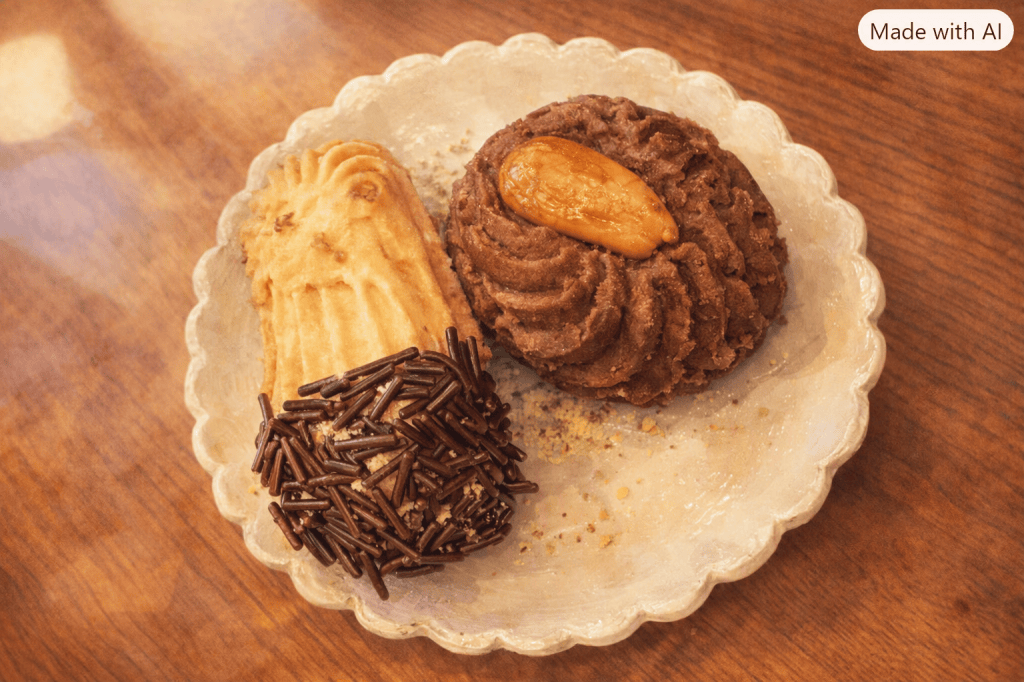
    And then came the real nostalgia punch, a little shop selling petit four, Arabic sweets, and “Botha”Arabic ice cream. The kind of place that instantly makes you feel like a kid again, even before you taste anything. I walked in and it was like my childhood had been laid out neatly on trays. I tried the petit four first, and it was exactly the kind of buttery, delicate sweetness that used to make every family gathering feel magical. One bite and I was basically six years old again, standing next to a table full of desserts I wasn’t supposed to touch yet.

    I didn’t try the Arabic ice cream this time, I’m saving that for my next visit, because some joys deserve their own dedicated moment. But I did buy a box of sweets to take home, because happiness is always better when it comes in a small box tied with nostalgia.

    Walking out, I felt ridiculously happy. Like I had discovered a tiny portal to the past hidden inside a regular shopping center. A place where everything is simple, familiar, and wrapped in the soft glow of childhood memories.

    Last night wasn’t just a visit. It was a sweet little reunion with the 90s, and I’m already planning my next trip back.

  • Mishomisho Part Two: The Day She Became a Princess

    Mishomisho Part Two: The Day She Became a Princess

    Ever since my niece watched The Little Mermaid, something shifted in her tiny world. She’s been twirling around the house, trying singing Ariel’s songs with full confidence, as if she’s part of the movie. And when she looks at me and says “mishomisho,” I know exactly what she means now, princess. It’s her own little word for everything magical and royal.

    So we decided to make her princess dreams a little more real. We went to the mall, and our first stop was the small petting zoo inside. She loved looking at the animals, but touching them was a big no. She kept her hands tucked close to her body, watching them with wide eyes, half curious, half cautious. Still, she enjoyed every minute of it, as long as nobody asked her to pet anything.

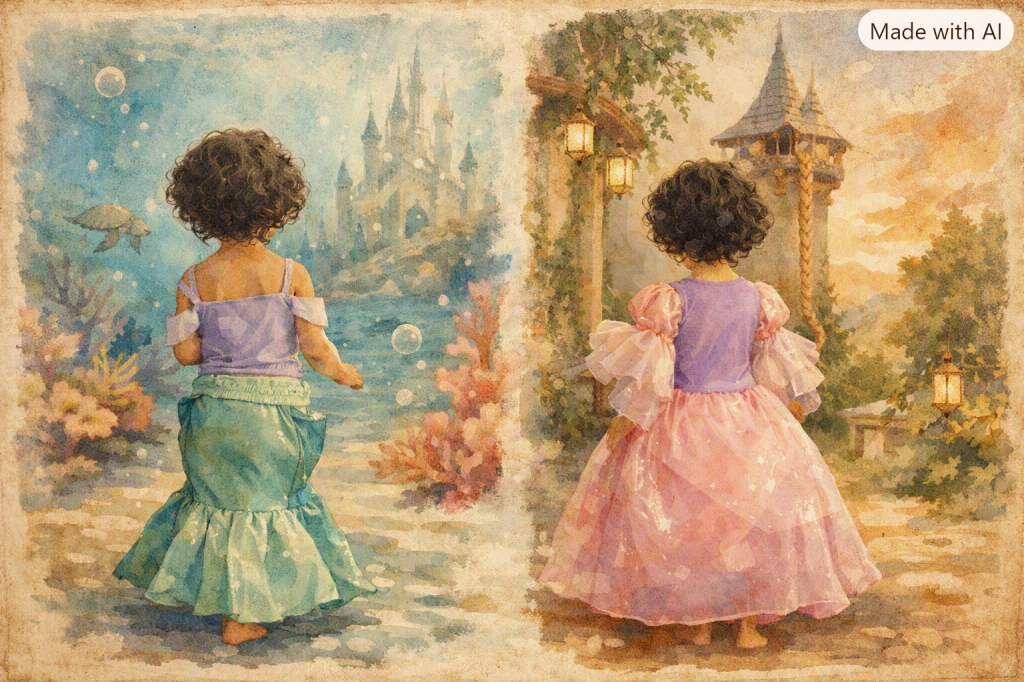
    Then came the highlight of the day: the Disney shop. The moment we stepped inside, her eyes lit up. Rows of glittering dresses, tiny shoes, and sparkly accessories, it was like walking straight into her imagination. She chose two costumes: the shimmering turquoise Little Mermaid outfit and the soft pink‑lavender Rapunzel gown.

    In the fitting room, she tried them on one by one. When she saw herself in the mirror, she whispered “mishomisho” with this proud little smile, like she finally saw the princess she’s been pretending to be. She twirled, admired herself, and I swear the whole room felt brighter.

    After that, we went for lunch and dessert, because every princess outing needs something sweet. She sat there in her tiny dress, eating ice cream like it was part of the royal routine.

    When we got home, she ran straight to her mother to show off her new dresses. Her mom’s reaction was pure joy, and the way my niece stood there waiting for approval was the cutest thing. It was the perfect ending to a perfect day, full of laughter, tiny memories, and the soft magic of childhood.

  • Grief

    Grief

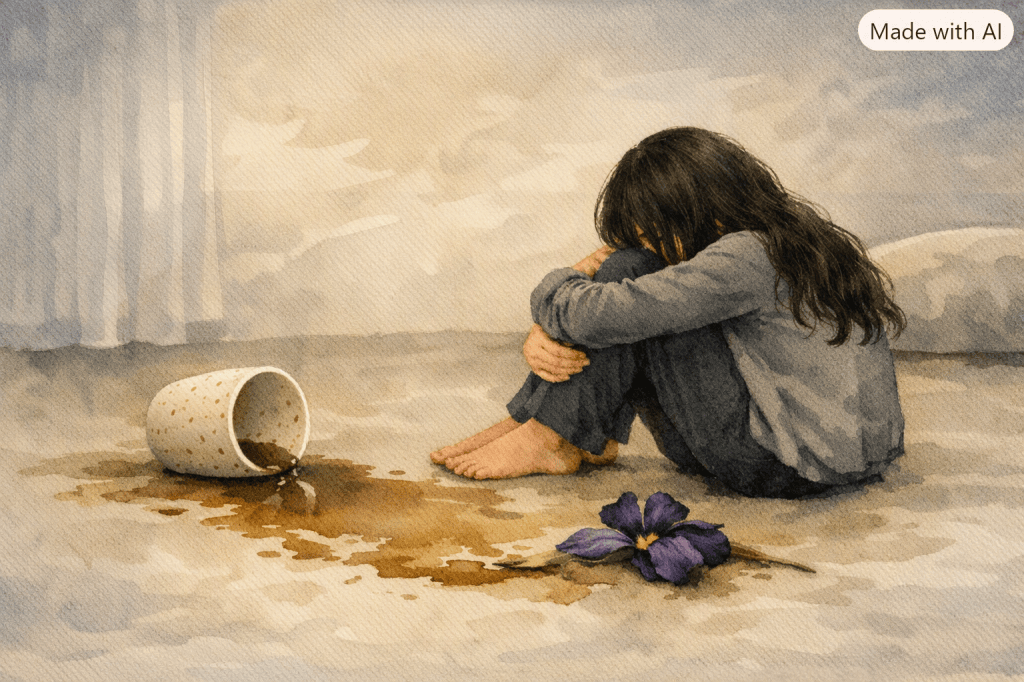
    There is a particular kind of grief that doesn’t get talked about enough, the grief of losing someone who is still alive. Someone who still walks through the world, laughs somewhere, breathes somewhere, exists somewhere… just not with you. It’s a strange kind of heartbreak, one that feels both invisible and unbearable. How do you mourn a person who hasn’t died, only disappeared from the part of the world that used to be yours?

    It starts quietly. A small ache. A shift. A distance. And then one day, you realize you’re standing alone in a place where you once stood together. The silence becomes louder than any goodbye. You look around and everything feels slightly off‑center, as if the world tilted when they left and never bothered to straighten itself again.

    Loneliness hits differently when the person you miss is still out there. It’s not the finality of death, it’s the haunting possibility of presence. You imagine them living a life where your name is no longer spoken, where your memory is a faint shadow, where you are not chosen, not remembered, not wanted. And that hurts in a way that is hard to explain. It’s the pain of being erased without being buried.

    There are days when the longing feels physical. A hollow space in your chest. A heaviness behind your ribs. You wake up with a quiet ache, go through your day with a tightness in your throat, and fall asleep with a weight that refuses to lift. You try to fill the emptiness with noise, with people, with tasks, with anything, but the emptiness remains. It’s shaped like them. It fits only them.

    And then there’s the lost feeling, the disorientation of having to rebuild a life around an absence. You catch yourself reaching for your phone, remembering something you would’ve told them, hearing a song that once belonged to both of you. You become a broken map with missing landmarks. You don’t know where to go, because the person who once guided you through the world is no longer walking beside you.

    Grief like this is quiet. It doesn’t scream. It doesn’t announce itself. It just sits inside you, heavy and patient. You learn to carry it the way people carry old injuries, gently, carefully, with the understanding that some wounds never fully heal, they only soften.

    But even in the breaking, there is a strange kind of strength. You gather the pieces of yourself, the ones left behind, the ones cracked, the ones still whole, and you begin again. Not because you’re ready, but because life doesn’t pause for heartbreak. You move forward with the knowledge that some people are meant to be chapters, not lifetimes. And that letting go of someone who is still alive is one of the hardest forms of courage.

    You survive it by breathing.
    By waking up.
    By continuing.
    By choosing yourself in the quiet moments when the ache feels unbearable.

    And slowly, painfully, honestly, you learn that grief doesn’t mean you failed. It means you loved deeply. It means you cared enough to hurt. It means your heart was brave enough to open, even if it was broken in the end.

  • My Coffee Routine, Also Known as My Daily Survival Strategy

    My Coffee Routine, Also Known as My Daily Survival Strategy

    Coffee and I don’t have a dramatic love story. There was no slow‑motion moment where our eyes met across a crowded café. No violins. No destiny. Just me, half‑awake, realizing that life is simply better when caffeine is involved.

    My mornings begin with a cappuccino made with skim milk, not because I’m trying to be healthy, but because anything heavier turns my stomach into a drama queen. This cup is my morning therapist. I hold it while getting ready, pretending I’m the kind of person who has her life together before 9 AM. The warmth, the steam, the way the cup fits in my hands… it’s the only part of my morning that doesn’t judge me.

    By 10 or 11 AM, I’m ready for round two: the V60.

    If the weather is hot, I make it iced.
    If the weather is cool, I make it hot.

    This tiny decision somehow convinces me I’m in control of my life. I take it with a piece of chocolate, because I deserve rewards for simply existing. The V60 is slower, more thoughtful, the kind of coffee that forces me to pause and pretend I’m a calm, collected adult before the day starts sprinting again.

    Then there are the chaotic days.

    The days where I go for a third coffee around 4 or 5 PM.
    An espresso, short, sharp, and slightly reckless.

    This is the moment I look at myself and think, Should I? And then I do. It’s my tiny act of rebellion, my way of saying, “Yes, I know this might keep me awake, but honestly, at this point, what’s one more bad decision?” That late‑afternoon espresso feels like a secret handshake with myself for surviving the day.

    Coffee has seen me in every mood, sleepy, overwhelmed, hopeful, dramatic, and occasionally feral. It never asks questions. It never complains. It just shows up, warm or iced, ready to be whatever I need it to be.

    It’s not a grand romance.
    It’s not a poetic saga.

    It’s a simple, everyday relationship, the kind that makes my mornings softer, my afternoons steadier, and my entire life slightly more tolerable.

  • Kill them with kindness

    Kill them with kindness

    The biggest lie I ever heard is that if you’re nice to others, they will be nice to you as well.
    That sentence sounds so gentle, so hopeful, so perfectly packaged for children’s books and motivational posters. But in real life, it’s messier. People are messier. And kindness, despite what we were taught, is not a currency you trade for guaranteed returns.

    We’re raised on the idea that kindness is a boomerang throw it out, and it will circle back to you. But anyone who has lived long enough knows that’s not how the world works. Kids learn this early: they share a toy, and another child might grab it and run. They offer a cookie, and someone might take two. They smile, and someone might ignore them completely.

    Kindness doesn’t always inspire kindness. Sometimes it inspires entitlement. Sometimes it attracts people who take without giving. And sometimes it simply goes unnoticed.

    But here’s the twist: that doesn’t make kindness a mistake.

    Being nice isn’t a strategy. It’s not a transaction. It’s a reflection of who you are, not who the world is. When you’re kind, you’re choosing your character, not your outcome. You’re choosing to stay soft in a world that can be sharp. You’re choosing to act from your values, not from fear of being taken advantage of.

    And yes, it hurts when kindness isn’t returned. It stings when you pour warmth into someone who responds with coldness. But the absence of reciprocity doesn’t erase the goodness of the act. It doesn’t make you foolish. It makes you human.

    The kindness that truly counts is the one you give without expecting applause, reward, or mirrored behavior. It’s the quiet kind, the one that stays even when others don’t. The one that reflects your integrity, not their manners.

    The biggest lie is that kindness guarantees kindness.
    The biggest truth is that kindness guarantees clarity, about who you are, and who others choose to be.

  • Changing the Ending

    Changing the Ending

    There’s a line I heard recently that settled into me like a quiet truth: “you can’t go back and change the beginning, but you can start where you are and change the ending”.

    It felt like someone had opened a window in a room I didn’t realize had grown stuffy. Because isn’t that what we all secretly wish for sometimes one more chance to rewrite the parts of our story that still sting a little, the chapters we wish had gone differently, the versions of ourselves we wish we had been.

    But life doesn’t hand out rewinds. It hands out moments. Small ones, ordinary ones, disguised-as-nothing ones. Moments where you pause, breathe, and decide that the next step you take will be different from the last. That’s where the ending begins to shift.

    I’ve been thinking about how much energy I’ve spent replaying old scenes, trying to understand them, fix them, soften them. As if the past were clay I could still mold. But the truth is gentler than that: the past is a place I visited, not a place I live. And the door out of it has always been open.

    So today, I’m choosing to start exactly where I am, messy, hopeful, learning, unlearning. I’m choosing to stop tugging at old threads and instead weave new ones. Threads that feel calmer, kinder, more like the person I’m becoming rather than the person I used to be.

    The beginning is already written. But the ending… the ending is still mine. And maybe that’s the most comforting part of all.

  • Carb Is Love, Carb Is Life, and I’m Back

    Carb Is Love, Carb Is Life, and I’m Back

    Let’s get one thing straight: carb is love, carb is life.
    Anyone who says otherwise is clearly living a joyless existence powered by sadness and air.

    Yesterday, the shopaholic version of me, the one who swipes her card like it’s a form of self‑care, made a glorious comeback. And what did she find? Two divine pieces of clothing that looked at me and said, “We get you.” Not because they define me, but because they understand my priorities: carbs first, logic later.

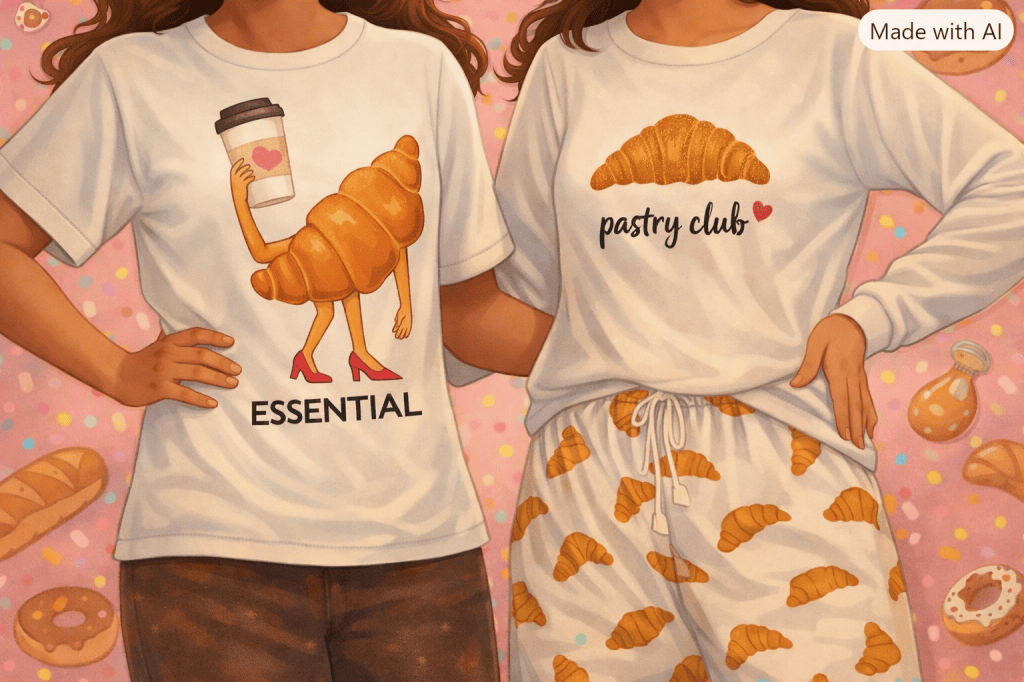
    Exhibit A: The T‑Shirt of Truth

    A croissant in red heels, holding a coffee mug like it’s late for brunch. Underneath it? The word “ESSENTIAL.”
    Because obviously.
    Croissants are not optional. They are oxygen with layers. They are therapy disguised as pastry. They are the reason mornings exist.

    Exhibit B: The Pajama of Power

    A white pajama set with the words “pastry club.”
    Now, don’t get it twisted, pastry club isn’t for everyone. It’s exclusive. It’s elite. It’s the kind of club where entry requires emotional devotion to carbs. Once you’re out, you’re out for life. No second chances. No “I’ll just have one bite.” You either live for carbs or you don’t deserve the croissant.

    So yes, I bought them both. Because carbs deserve representation.
    Because fashion should be flaky.
    Because I’m not just wearing clothes, I’m wearing a manifesto.

    And honestly? Life’s too short to pretend lettuce is exciting.
    Carbs are the main character.
    Carbs are the plot twist.
    Carbs are the reason I’m smiling while holding shopping bags like trophies.